Do I Need A Book Editor?

Is your manuscript finished and
you find yourself wondering if you need an editor? The answer is most
definitely yes. Even the most seasoned authors need an editor! The truth of the
matter is you, as the author, are too close to your work to see what it does or
doesn’t need. If you don’t spend time and money on a good book
editor, everything else you do to publish and market your book won’t matter. A
poorly edited book is a waste of time and money. Every dollar you spend
promoting an error-prone book might as well be thrown away. If you intend for your
book to be read by anyone other than your family and friends, you need to pay
for the most extensive book editing that you can afford, and you need to make
sure that whoever edits your book is a professional book editor. Depending on
the budget you’ve set, all or most of it could—and maybe should—be consumed by
editing. Don’t skimp on book editing just so you can publish your book now. The
world has waited this long for your book, it can wait until it’s edited. If you
can only afford one or the other, hire a good book editor, then save up money
to have it published.
When is the right time to
hire an editor?
Consider
these frequently asked questions, and be brutally honest with yourself in
answering them before figuring out if you’re ready:
- Have I done as
much as I can to make my manuscript the best I can?
- Am I looking for an editor because I’m tired of looking at my manuscript?
- Have I attempted
any self-editing?
- Has any
experienced writer read my work? (Tip: find a local writing
group or critique group.)
- Do I need to
learn more about the craft of writing before proceeding with further work
on my book?
- Do I have the
nagging feeling that something undefinable isn’t quite working in my
manuscript?
- Do I understand
the cost, both in time and money, of hiring a professional editor,
and have I budgeted for both?
- Do I know the
difference between developmental editing and copyediting? And if I’m tired
of working on my book but want to get it done, do I have the budget to
hire a developmental editor to help me cross the finish line?
- Am I rushing the
process simply to crank out another book?
- Am I sending my
book to an editor because I’m afraid I don’t have what it takes to be a
writer? In other words, am I hoping that a professional editor can shape
my goo into the masterpiece I have in my mind?
Now that you know you’re ready for an editor, you need to
also know that there are
different types of book editing—including developmental editing, copy editing/line
editing, and proofreading—for different stages of the publication process. You
have to decide which type is best for you, and then find an editor you feel you
can work well with. Make sure you get references, or read their testimonials,
and have them edit a sample for you.
·
Developmental editing, also called content or substantive editing,
involves an editor providing detailed feedback on “big-picture” issues. They’ll
refine your ideas, shape your narrative, and help you fix any major plot or
character inconsistencies. Basically, they’ll look at just about every element
of your story and tell you what works and what doesn’t.
·
Copy editing, or line editing, is to bring the
author’s completed manuscript to a more professional level. A copy edit helps
create the most readable version of your book, improving clarity, coherency,
consistency, and correctness. The goal is to bridge any remaining gaps between
the author’s intent and the reader’s understanding.
What elements do line editors
consider?
A line editor examines and corrects the
following elements in your work:
- Spelling
- Grammar
- Capitalization
- Word usage and repetition
- Dialogue tags
- Usage of numbers or numerals
- POV/tense (to fix any
unintentional shifts)
- Descriptive
inconsistencies (character descriptions, locations, blocking, etc.)
Essentially, while a
developmental editor will address overarching issues with your story, the copy
editor looks at more minute details. After all, it’d be pretty distracting to
your reader if you constantly misuse dialogue tags or misspell the word
“restaurant.” Copy editing ensures that errors like these don’t happen, so your
writing is as strong as possible, and your reader remains 100% focused on the
story.
·
Proofreading is the last major stage of the editing
process. Proofreaders are the eagle-eyed inspectors who make sure no spelling
or grammar errors make it to the final version of your work. They’re extremely
meticulous, as they should be—their painstaking review of your manuscript
ensures that your text is 100% polished before going to print.
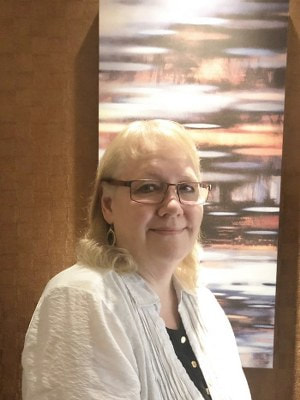
Melissa Ringsted
has owned There for You Editing Services since 2011.
She has
experience editing for Indie Authors, USA Today and NY Times Best Sellers, as
well as several small publishing and large publishing companies.
Melissa
has worked with editing in several writing genres. She has worked with articles
and blogs, small presses, anthologies, children’s books, middle-grade novels,
children’s series, Young Adult, New Adult, Horror, Sci-Fi, and Romance,
Interracial Romance, and many more.
Several
authors have award-winning books Melissa has had the pleasure of perfecting
through the art of editing.
Melissa’s
portfolio contains well over four hundred books in her nine
plus years professionally editing, and includes several award-winning books.
Dedicated,
a pleasure, inspirational, passionate, detail-oriented,
insightful, great communicator, honest, and most importantly,
professional, are just a few words authors have used to describe Melissa’s
talent.
In
the words of the award-winning author, Stacey Rourke:
“She’s
like the Mary Poppins of books—practically perfect in every way.”
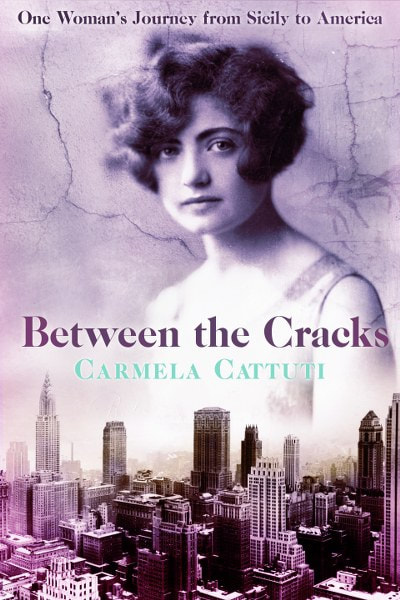
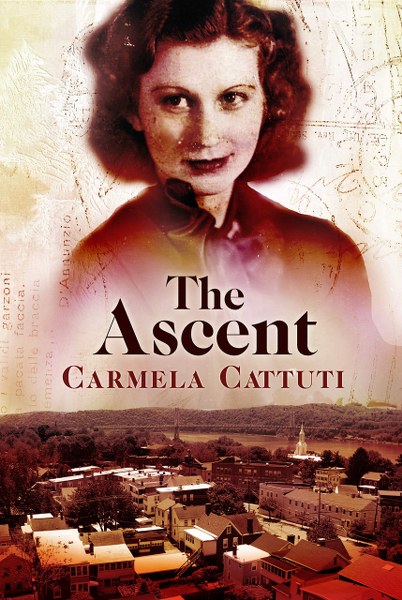
Cover
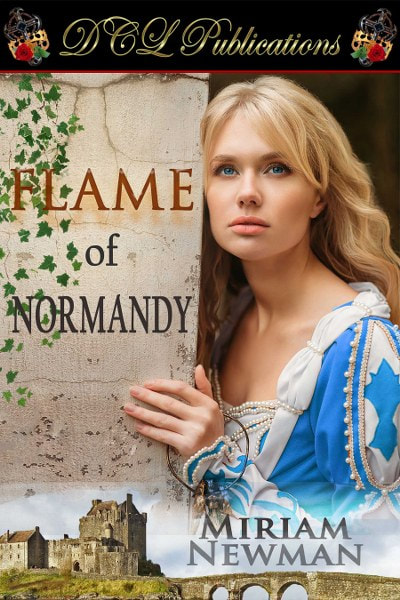
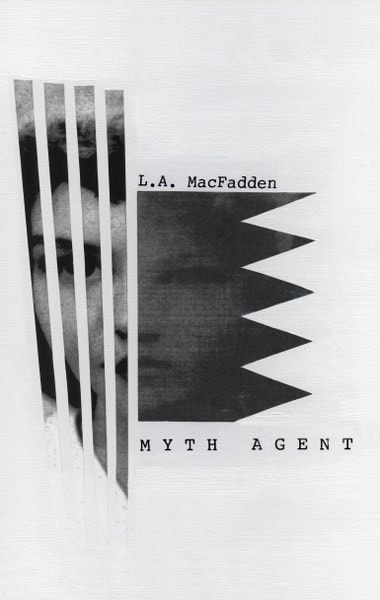
photos of some of the books she has edited can be found at http://www.facebook.com/thereforyouediting.
As of February, There for You Editing
Services is accepting new clients. For more information, email thereforyou.melissa@gmail.com or visit their Facebook
page at www.facebook.com/ThereForYouEditing.